Metal USB Flash Drives
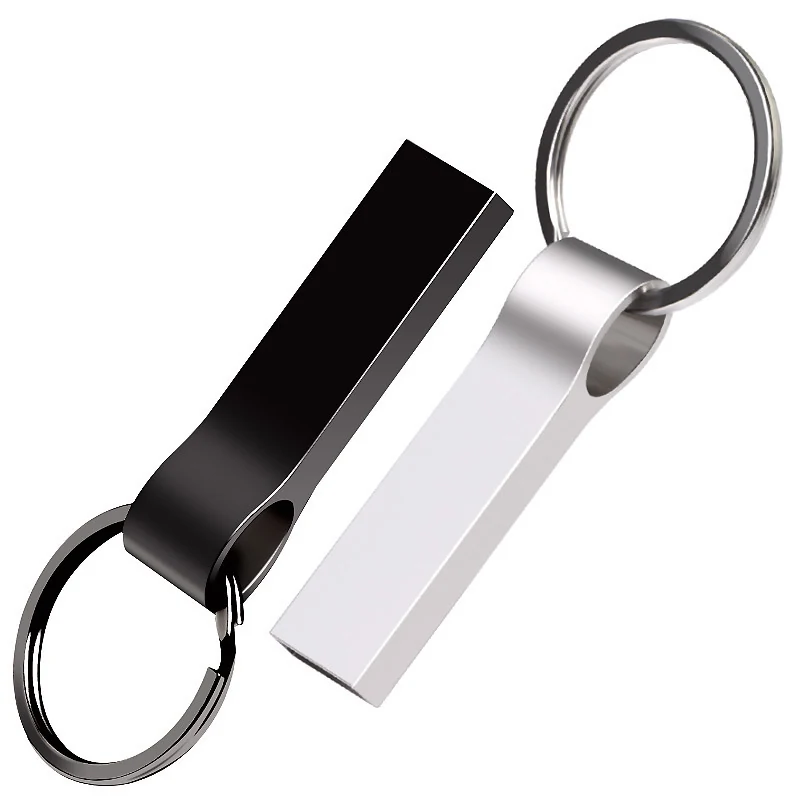
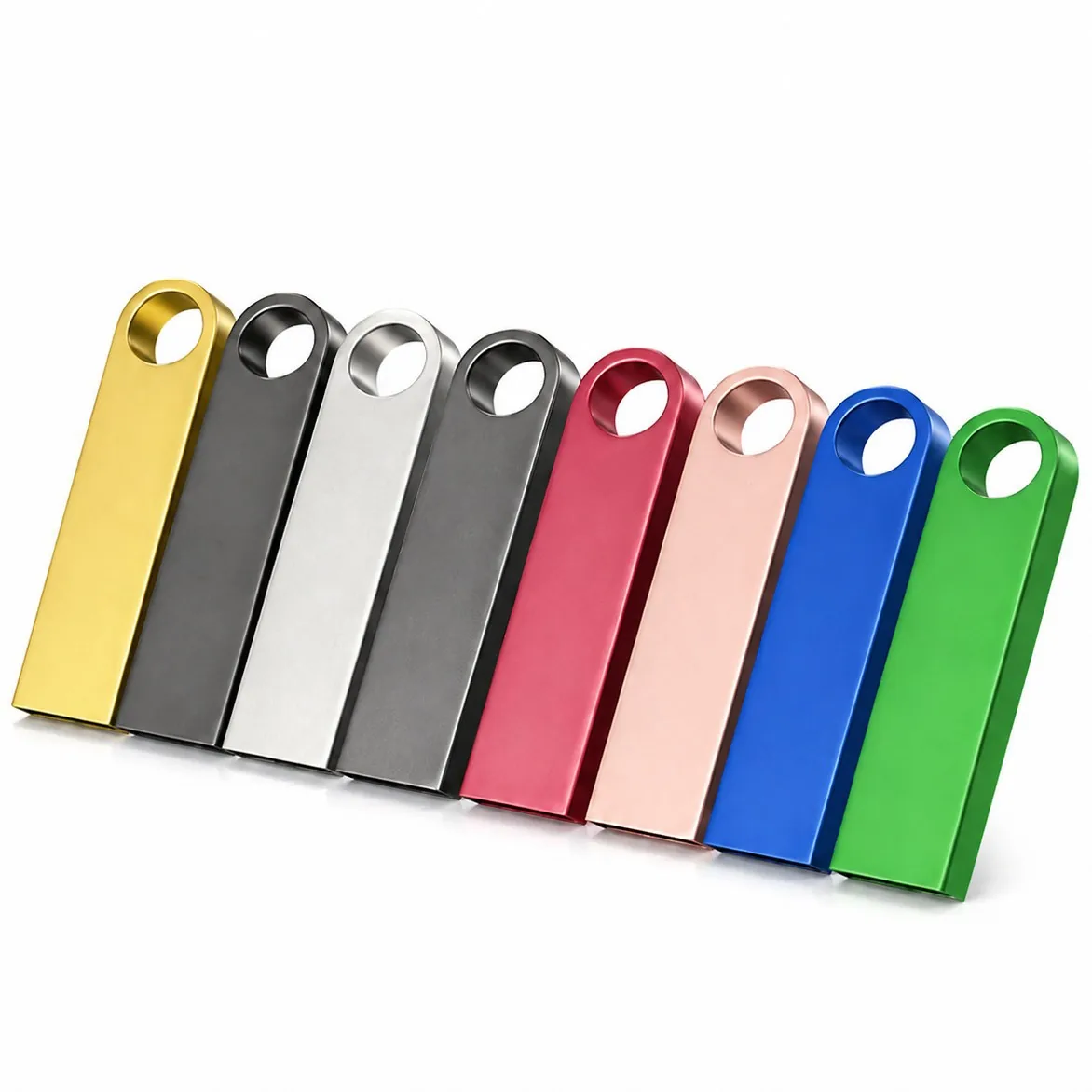
Metal USB flash drives are the standard choice when the drive is meant to feel like a gift rather than a giveaway. WINTEL produces metal-bodied drives in swivel and stick formats — silver and gunmetal finishes as standard — with 128MB to 128GB inside, USB 2.0 or 3.0, and your brand applied by laser engraving or print. Engraving is the natural method on metal: it cuts into the surface rather than sitting on it, so the mark survives keys, bags and years of pockets. Every batch is capacity- and read/write-verified before packing, and you approve a physical sample before bulk production.
Key facts
- BodyMetal — swivel and stick formats, silver / gunmetal finishes
- BrandingLaser engraving (natural choice) or silk-screen print
- Capacity128MB – 128GB
- InterfaceUSB 2.0 / USB 3.0
- PositioningPremium gift, executive giveaway, client deliverable
- SampleApproved before bulk production
- MOQ / lead timeConfirmed with the quotation
Is metal the right body?
Suits
Premium corporate gifts, executive giveaways, wedding and studio client deliverables, brand packs where the drive should feel like part of the product.
Consider other bodies if
The campaign needs sculpted custom shapes (see PVC), an eco/natural story (see wood), or the lowest unit cost on a high-volume giveaway.
Which finish should the order use?
"Metal" is not one product. The finish decides what the drive looks like on arrival, what it looks like after a year, and whether your logo can be read at all.
| Finish | What it looks like | Wear behaviour | Engraving result | Where it suits |
|---|---|---|---|---|
| Anodised aluminium | Matte, colour held in the oxide layer | Wears through at corners and edges, showing bare alloy | Cuts to bright bare metal — highest contrast | Corporate and long-service gifts |
| Zinc alloy, plated | Bright or satin metal, chrome-like options | Depends on plating adhesion; blistering can appear months later | Engraves, but contrast is lower on bright plating | Heavier, more jewellery-like bodies |
| Brushed stainless | Visible linear brush texture | Very durable surface, resistant to wear | Low contrast — silver on silver unless filled | Tool-like premium products |
| Sandblasted and coated | Matte colour over metal | Coating chips at edges under impact | Engraving exposes the metal underneath | Colour-led brand programmes |
All four are quoted against the same electronics. The finish changes the body cost and the minimum run, not the capacity or the speed.
Engraving or printing — which one carries your logo?
Engraving on metal is a physical cut. That is why it outlasts printing: there is no ink layer to peel, fade or wear at the edge of the mark. On an anodised body the cut exposes bare aluminium, which reads bright against the colour — the highest-contrast mark available on any body material we produce.
Printing on metal works, and it is the right answer when the artwork needs colour. The trade is durability: a print sits on the surface and wears at the edges where the drive is handled most. On curved faces it also needs a pad process rather than screen, which limits fine detail.
Contrast is the constraint people miss. On brushed stainless or bright plating, an engraved mark is silver-on-silver and nearly disappears at arm’s length. If the logo must be legible without colour, choose an anodised body or specify a filled engraving.
Depth and line width trade against each other. A deeper cut gives more contrast and a wider visible line, so fine hairlines in a logo will merge. Send the artwork at final size and we will show the engraving on a sample before the run.
What fails first on a metal drive?
Anodising wears at the corners first. It is a surface conversion, not a coating, so it does not chip or peel — it thins, and the bright alloy underneath starts to show on the edges of a swivel body after months in a pocket. On a gift that is acceptable patina; on a retail product it is a return.
Plated zinc alloy can blister. The failure comes from plating over a casting that was not fully cleaned, and it appears weeks or months after delivery rather than on arrival — which is exactly why incoming inspection cannot catch it. Ask how the castings are prepared, not just what the plating is.
Swivel mechanisms loosen. The body is a wear part: after enough cycles the arm loses tension and the drive no longer stays closed. It is a mechanical decision, not an electronic one, and it shows up in year two rather than week one.
Coatings chip at impact points. Sandblasted-and-painted bodies look premium until a corner takes a knock and the metal shows through. If the product will live in bags with keys, an anodised or brushed body hides that better than paint.
How is a metal batch inspected?
- Colour against the approved sample, under daylight rather than office light — anodised colour shifts with the light source and a mismatch is usually a dye-lot issue, not a defect.
- Engraving on three units from different trays: check that the mark is the same depth and that no hairline has closed up. Consistency across trays matters more than the look of one piece.
- Edges and corners under a loupe for wear-through or plating lift, especially on plated bodies where the failure starts at a sharp edge.
- Swivel tension: open and close ten times and confirm the arm still holds. A body that has already lost tension will be loose by the time the buyer receives it.
What the specification must state
- Alloy and finish, named — "anodised aluminium, gunmetal", not "metal".
- Colour reference: an anodising colour chip or a physical sample, not a screen colour.
- Branding method per face — engraving or print — and the line weight at final size.
- Capacity band, interface version and speed class, stated separately from the body.
- Body format: swivel, stick, or a cap design, and whether the cap is tethered.
- Packaging and any individual serialisation or variable data.
"Metal USB drives with our logo" gets you four different products from four factories. Name the alloy, the finish and the branding method and the quotations become comparable.
Request a metal USB drive quotation
Alloy, finish, capacity, engraving artwork and quantity. We reply to business enquiries within 1 business day.
Or email cathy@go-wintel.com — answered by Cathy, sales engineer.
Frequently asked questions
Can metal USB drives be laser engraved with our logo?
Yes — engraving is the natural method on metal. It cuts into the surface, so the mark is far more durable than a print. Send the artwork and we will confirm the engraving result on a sample.
What finishes are available on metal bodies?
Silver and gunmetal are standard swivel-body finishes. Other treatments can be discussed against quantity — tell us the finish you have in mind and we will confirm what we can produce.
Are metal bodies heavier to ship?
Marginally, yes. For most campaign volumes the freight difference is small, but if you ship tens of thousands of units it belongs in the cost comparison — we will quote the packaging and freight reality rather than hide it.
What capacities fit a metal USB drive?
The full range, 128MB to 128GB, with USB 2.0 or 3.0. The body does not constrain the electronics — the capacity is specified by you on the quotation.
Is engraving better than printing on metal?
For a wordmark, yes: engraving is a cut, so it cannot peel or fade. For a multi-colour or photographic mark, printing is the only option. Decide from the artwork, then choose the finish that carries it best.
Will the finish wear off?
Anodising does not peel — it thins at corners and the alloy shows through. Plating and paint can chip or blister. That difference is the reason an anodised body is the safer choice for anything handled daily.
Can you match a Pantone colour on metal?
Anodising gets close but not exact, and the same reference reads differently on brushed and polished surfaces. Approve a physical colour chip or sample rather than a screen proof, and state the acceptable tolerance in the specification.
Is zinc alloy better than aluminium?
Zinc alloy casts into more intricate shapes and feels heavier, which some buyers read as premium. Aluminium anodises more predictably and wears more gracefully. Choose by shape complexity first, finish second.