
Flash Memory Case Studies & Typical Project Workflows
We do not publish named customer cases, and we will not invent them. What we can show honestly is how a typical project of each type actually runs on our floor — the requirement, the product, the configuration and the checks. Use these as a reference for what to expect when you send us your own specification. There is one real incident described below, with the identifying details removed, because a failure explains our terms better than a success does. The legal entity is Shenzhen Wintel Digital Technology Limited, a flash memory manufacturer in Shenzhen, China.
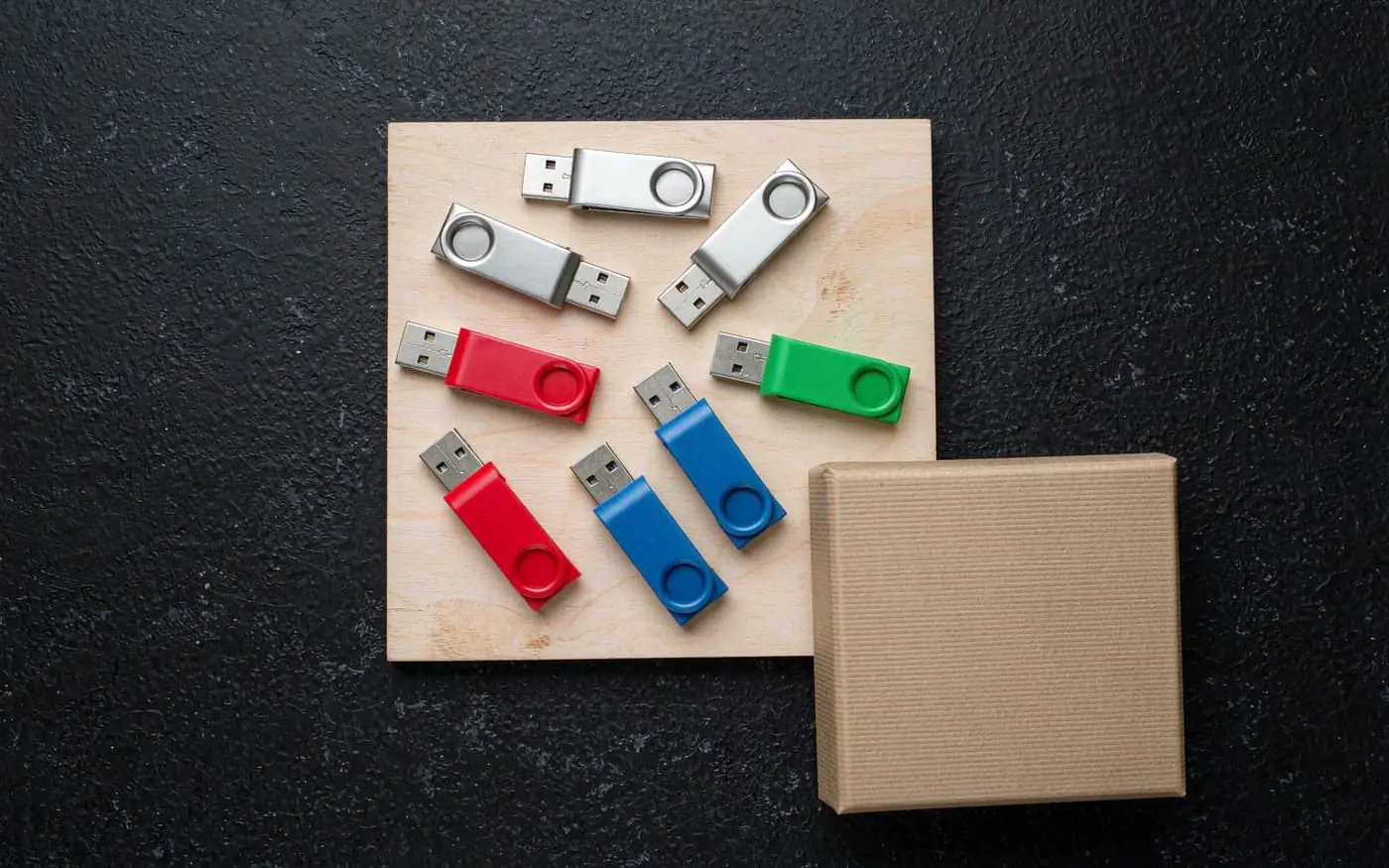
Each section below is a typical project workflow, not a named customer case. We describe the requirement, the product, the configuration and the checks — without inventing customer names, quantities or results we cannot verify.
Typical workflow — TF cards for a dashcam manufacturer
- Customer type
- Device manufacturer (dashcams / in-vehicle recorders)
- Application
- Continuous loop recording in a vehicle, wide temperature range
- Requirement
- Cards that enumerate reliably on the host, hold the rated capacity, and survive the temperature and vibration of in-vehicle use.
- Product
- TF cards (MicroSD class), 4GB–256GB
- Configuration
- A+ grade NAND, controller selected for sustained write and host compatibility, capacity set per model.
- Customization
- Printed to the buyer’s artwork; retail or bulk packaging per channel.
- Testing
- Full capacity write-and-read-back, read/write verification, appearance and packaging inspection.
- Packaging
- Bulk or retail, labelled to the buyer’s specification.
- How it typically runs
- Specification → sample approval → bulk production → final testing → shipment.
A representative flow. No customer name, quantity or result is stated because we do not publish them.
Typical workflow — UDP module for an embedded device
- Customer type
- Embedded / industrial device maker
- Application
- Fixed internal storage soldered onto the device PCB
- Requirement
- A storage core with no connector and no loose media — consistent enumeration across every unit, held across repeat orders.
- Product
- UDP modules (USB Disk in Package), 11.3 × 24.8 × 1.45 mm, 128MB–128GB
- Configuration
- NAND grade and controller matched to the firmware and workload, documented in the quotation.
- Customization
- Capacity and grade set per project; the same configuration held across repeat batches.
- Testing
- Capacity and read/write verification before packing; sample approval before volume.
- Packaging
- Tray or reel suited to the buyer’s placement process.
- How it typically runs
- Specification → sample approval → bulk production → final testing → shipment.
A representative flow. No customer name, quantity or result is stated because we do not publish them.
Typical workflow — custom USB flash drive project
- Customer type
- Brand owner / promotional buyer / software vendor
- Application
- Branded giveaway, licensed software delivery, or companion drive
- Requirement
- A drive carrying the buyer’s brand, with the flash inside specified rather than left to whatever is in stock.
- Product
- Custom USB flash drives, metal / PVC / wood, 128MB–128GB, USB 2.0 / 3.0
- Configuration
- Capacity, interface and controller set per host device and required speed.
- Customization
- Silk-screen, full-colour print or laser engraving; bespoke mould available; presentation packaging.
- Testing
- Capacity and read/write verification, appearance and branding checks on the sample and the batch.
- Packaging
- Bulk, retail or presentation packaging as part of the same quotation.
- How it typically runs
- Specification → sample approval → bulk production → final testing → shipment.
A representative flow. No customer name, quantity or result is stated because we do not publish them.
One real batch that went wrong, told without a name
Every case study page in this industry is a success story, which is why almost none of them are worth reading. Here is a failure instead, from our side, with the parts that would identify the customer taken out.
An overseas buyer received a batch and it was not right. Not a disaster — the goods worked — but enough units missed the criterion that the batch could not be sold as it stood. The normal sequence at that point is familiar to anyone who has bought from China: raise a claim, ship a sample back, argue about who owns the freight, wait for an inspection, negotiate a discount, and discover somewhere in week six that the person who approved the order has moved on.
We did not ask for the goods back.
Return freight on a pallet across an ocean regularly costs more than the goods on it. The return leg needs customs entry in both directions, the transit time is measured in weeks, and every one of those weeks belongs to the buyer, not to us. So the units stayed where they were. The buyer sent the lot code, the test log and photographs of failing units; we credited the batch and put a replacement into the next production run. Our output is over 20,000 units a day, so a replacement is a matter of days — that number is a recovery speed, not a quality claim, and anyone who quotes it as one is answering a different question.
I am not going to dress this up as a policy win. It cost us money on that order, and it cost us more than the freight would have, because we also had to rebuild the batch. What it bought was a claim settled in days instead of a dispute settled in months.
The honest lesson sits upstream of the settlement anyway. A credit is what you do after a sample has failed to represent a batch. The cheaper fix is to sample more of the batch before it ships, which is why we would rather argue about your acceptance level in the quotation than about your claim afterwards.
The customer, the country, the quantity and the product are deliberately omitted. The mechanism is the useful part; the account is not.
Terms referenced here: return and replacement policy · how we test a batch · running a bulk order as a project · how an appearance claim is judged · why the remedy was a credit
Run your own project through this workflow
Send us your product type, capacity, quantity, application and target date. We confirm MOQ and lead time against your specification rather than quoting a generic figure, and we reply to business enquiries within 1 business day.
Or email cathy@go-wintel.com — answered by Cathy, sales engineer.
Frequently asked questions
Can you share customer references?
We publish anonymised project summaries — the problem, the configuration chosen and the outcome. Named references are shared only with the customer permission, and most programmes are covered by an NDA.
What size of programme do you take on?
From sample runs to volume programmes. What changes with size is the tooling arrangement, the test plan and the lead time, not whether the order is taken seriously.
How long does a custom programme take?
The sample stage and the bulk stage are quoted with separate dates, because they depend on different things — artwork and approval on one side, material availability and line scheduling on the other. Both dates appear on the quotation.
Will you sign an NDA before we share drawings?
Yes. Send your NDA or ask for ours. It is normal to sign before artwork and specifications are exchanged, and it protects both sides when a design is genuinely new.