Custom Shape USB Drives — Made to Your Own Design
A custom shape USB drive carries your design as the body itself — your product, mascot, logo or packaging replica moulded in three dimensions, rather than a standard stick with a logo printed on it. We make these from your artwork, physical product photos or 3D files: the shape is tooled, a sample is produced and approved by you, and bulk production follows the approved sample. Shapes are most commonly moulded in soft PVC, with metal and wood options for simpler geometry. Tell us the shape you have in mind, the capacity and the quantity, and we will confirm what is achievable, what the tooling involves and what the sample will look like before anything is committed. WINTEL supplies this from its own plant in Shenzhen, China.
Key facts
- ProductCustom shape USB flash drive
- Starting pointsArtwork / product photos / 3D design files
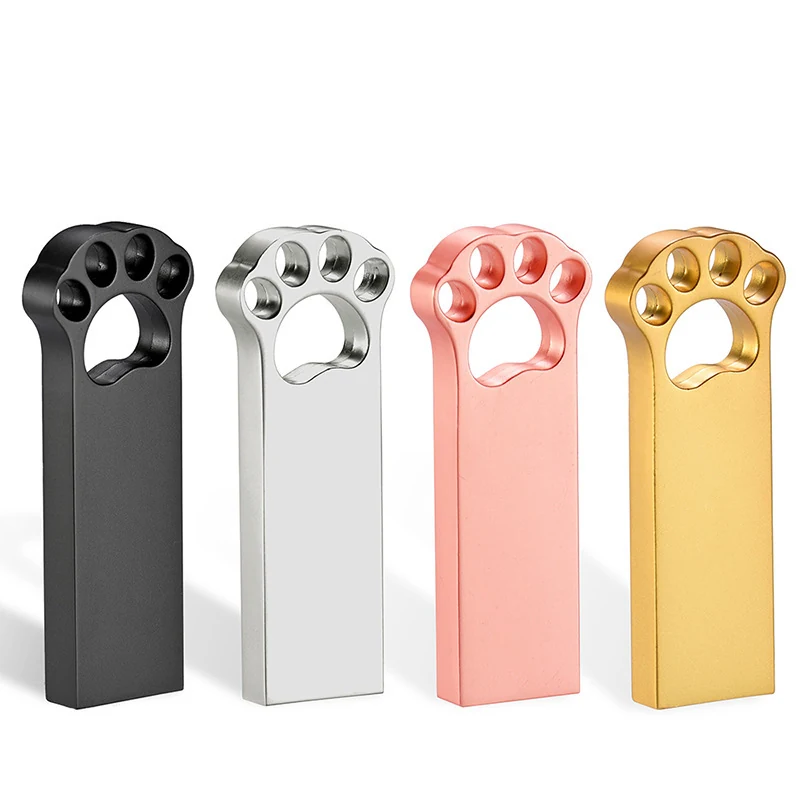
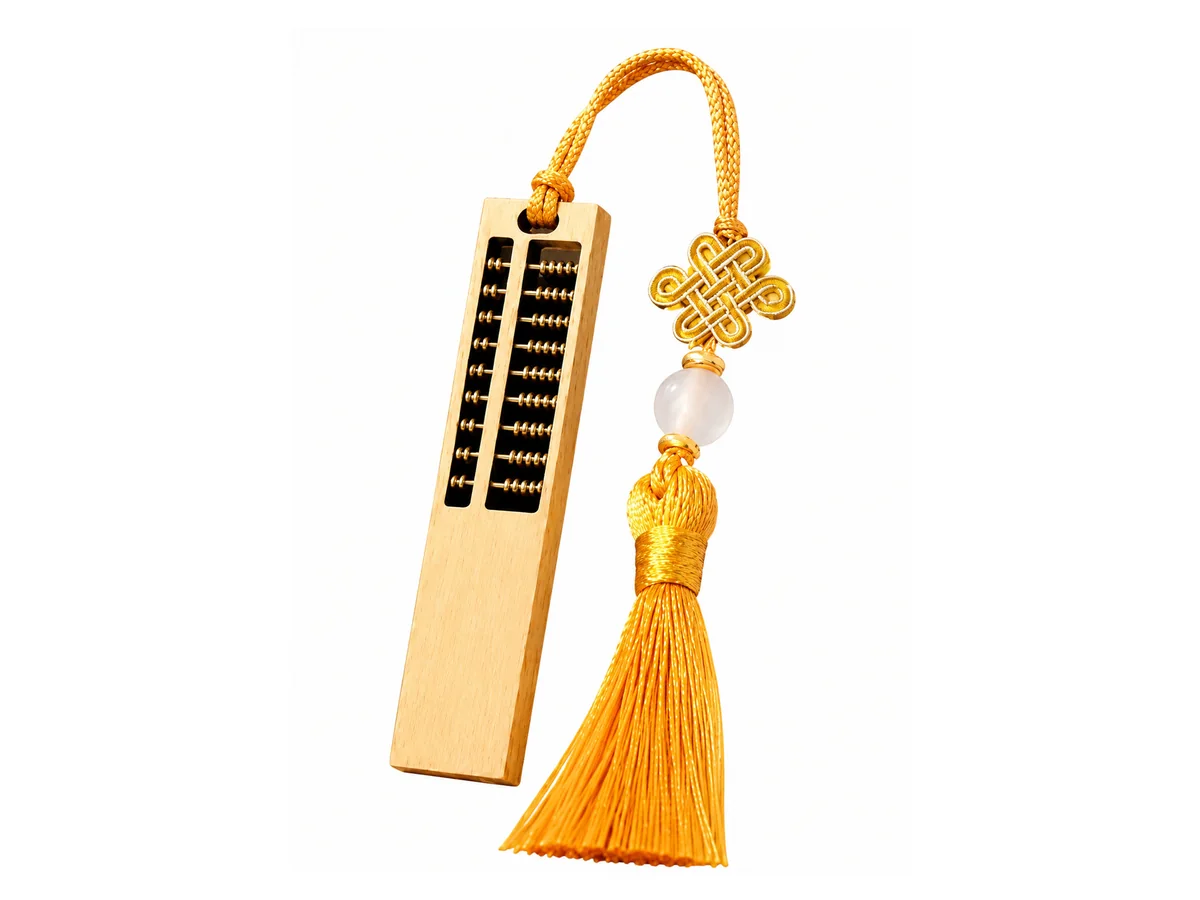
- Typical bodySoft PVC moulding; metal & wood for simpler geometry
- Capacity128MB – 128GB inside the custom body
- Price rangeUS$2–6 per unit at 500 pieces and above, plus the one-off mould charge
- InterfaceUSB 2.0 / USB 3.0
- SampleProduced and approved before bulk production
- ToolingCustom mould — scope confirmed in the quotation
- MOQ50 pieces plus tooling — a bespoke mould carries its own minimum
- Lead timeConfirmed against specification and target date
- Who answerscathy@go-wintel.com — Cathy, sales engineer, Shenzhen
What to compare across shape suppliers
Every supplier in this category will tell you they do custom shapes. These six questions separate the ones who cut a mould from the ones who print on a stock body and call it custom — and each answer should be a fact you can hold them to, not a capability claim.
| Ask this | An answer that means something | Why it matters |
|---|---|---|
| Can you work from a drawing or a photo rather than a 3D file? | Yes — and here is the DFM note we would send back | A factory that can only quote from finished CAD is reselling, not moulding |
| Is DFM raised before the mould is cut? | Written, before cutting, with the changes named | A change after cutting is a second mould, paid for by you |
| Is the mould charge a separate line? | Yes, with ownership and repeat-run terms stated | A tooling fee buried in the unit price cannot be compared across suppliers |
| What is the MOQ, and does it change with the shape? | A number, stated per design, not "depends" | Shape complexity drives reject rate, and reject rate drives the real minimum |
| Do I approve a physical sample? | Yes — in the production material and colour | A photo cannot settle weight, seam or surface feel |
| What becomes the acceptance reference for the bulk run? | The approved sample, held by both sides | Without it, "not the same as the sample" is an opinion rather than a defect |
Our own answers to all six are on this page: 50 pieces plus tooling, DFM before cutting, a separate tooling line, a physical sample in the intended material, and the approved sample as the acceptance reference. If a supplier will not put theirs in writing, that is the answer too.
What we need from you
The design reference
Artwork, a photo of the product or mascot to replicate, or a 3D file if one exists. Even a good sketch with dimensions is enough to start the conversation.
Size expectation
The drive must stay usable: the connector end needs a minimum geometry. We will tell you honestly where a design needs to grow or simplify.
Quantity and date
Tooling economics depend on volume, and the schedule depends on the event or launch date. Both go into the quotation.
Capacity and branding
What goes inside the body and where your logo appears on it — decided together with the shape, not after it.
What can be moulded, and what has to change?
Most designs that come in are close to mouldable. The list below is the honest version of the conversation we have before a quotation, so you can see the constraints before you brief a designer.
| Feature in your design | Mouldable? | What changes |
|---|---|---|
| Solid sculpted form, no undercuts | Yes, in one piece | Nothing — this is the easy case |
| Hook, loop or undercut | Not in one piece | Split mould or a separate assembled part |
| Standing wall thinner than about 1.5 mm | Distorts as it cools | Thicken, or add a rib behind it |
| Sharp typography below a few millimetres | Closes up in the mould | Enlarge, or move the text to a flat printed face |
| Enclosed hollow or internal cavity | Needs two parts | Design a split line and an assembly step |
| Two colours on one body | Only by two-shot moulding | Two moulds and a second shot — tooling rises |
| Transparent or crystal effect | Not in soft PVC | Different material and process entirely |
| Metal plating on the shape | Only on rigid substrates | Re-design for zinc alloy casting instead of PVC |
The three constraints no design can avoid
The connector is the constraint that cannot be designed around. A USB-A plug has a fixed shell and a fixed insertion depth, and the body has to present it square, with enough clearance behind the shell for a hand to grip and enough length for the plug to seat in a recessed port. Designs that bury the connector inside a sculpted form come back from tooling with a body that physically cannot be plugged into a laptop.
Weight is the second constraint. A large sculpted body on a small drive becomes top-heavy and hangs out of a port at an angle. It is not a failure, but it is the sort of thing a buyer notices in the first week and a drawing never shows.
Retention is the third. If the body is meant to clip, loop or hang, the attachment point carries the whole weight of the drive and has to be moulded thick enough to survive it — a thin loop is the most common break in any shaped body.
From drawing to bulk: the four stages
- Quotation from the drawing: shape, material, colour, capacity, quantity and the tooling line stated separately.
- Mould cut to the agreed drawing. Any DFM change is raised before cutting, not after — a change at this stage is a conversation; a change after cutting is a new mould.
- First sample from the mould, in the intended material and colour, sent to you for physical approval. Photographs do not settle fit, weight or surface feel.
- Corrections, then bulk against the approved sample. Whatever was corrected at sample stage becomes the acceptance reference for the run.
Why shaped orders get reworked
Drawings without tolerances. A shape with no stated tolerance is interpreted by the toolmaker, and the toolmaker is not the person who will reject the batch.
Material and colour left open at quotation. Soft PVC, rigid PVC and ABS mould differently and read differently; a price without a material is a price for a different object.
Artwork approved on screen. Colour shifts between monitor, print and moulded pigment. Approve a physical chip or a sample, never a PDF.
Changes requested after the sample. Each one is a mould correction, and corrections at that stage move both cost and date.
What the specification must state
- A 3D file or dimensioned drawing, with the overall size envelope stated.
- Material and construction, named — "soft PVC, single colour, 3D sculpted".
- Colour reference as a physical chip, plus the areas where colour changes.
- Connector type and orientation, and how the body presents the plug.
- Capacity band, interface version and speed class.
- Attachment: none, loop, clip or keyring, and the load it has to carry.
- Packing, and the acceptance criteria for the approved sample.
Send the shape and get a feasibility answer
Artwork, product photos or a 3D file, plus quantity and target date. We reply to business enquiries within 1 business day.
Or email cathy@go-wintel.com — answered by Cathy, sales engineer.
Frequently asked questions
Can you make a USB drive from my own design?
Yes. Send the artwork, product photos or a 3D file and we will confirm what can be moulded, what needs to change for the connector geometry, and what the tooling involves — before you commit.
What materials can a custom shape be made in?
Soft PVC is the most common for sculpted shapes because it captures detail well. Simpler geometry can be tooled in metal or built from wood. The material choice is confirmed against the design and the quantity.
Is there a minimum quantity for a custom shape?
Yes — a mould has to be amortised across the run, so very small quantities rarely make sense. Send the design and target quantity and we will tell you honestly whether the numbers work.
Do I get to approve the shape before production?
Yes. A physical sample is produced from the mould and approved by you before bulk production — for a bespoke shape this is the only reliable check, and it is built into our process.
Why does my design need to change before it can be moulded?
Three usual reasons: undercuts that cannot release from a one-piece mould, standing walls too thin to cool without warping, and fine detail that the material cannot fill. Each has a fix, but the fix has to happen before the mould is cut.
Can the drive be shaped like our actual product?
Yes, and it is the most common brief: a miniature of the product as the body. Send photographs from several angles plus one key dimension, and we will confirm the scale at which the connector still fits.
How long does a custom shape take from drawing to bulk?
It runs in stages — tooling, first sample, your approval, then production — and the tooling stage is the one with the least flexibility. The schedule for your shape is confirmed on the quotation against your target date.
Can the same shape be made with our logo printed on it as well?
Yes. Moulded colour carries the shape; print or a painted detail adds the mark. Where the logo sits in relief, print becomes unreliable, so the two are decided together rather than one after the other.